Structural vs. Nonstructural VA Renovation Loan Options Compared
Understanding the Two Main Paths for a VA Renovation Loan
When you are a veteran planning home improvements and you want to use a VA loan, the choice often comes down to the type of work you need done. Lenders typically offer two broad categories of renovation financing: structural renovation programs and nonstructural options. Each serves a different purpose, and understanding the difference can help you pick the right path for your project.
Structural renovation programs are designed for major work that changes the home's footprint, its load-bearing elements, or its core systems. Think of foundation repairs, roof replacements, additions, or moving walls. Nonstructural options, on the other hand, cover cosmetic upgrades, appliance replacements, flooring, painting, and other improvements that do not affect the home's structure. Both can be funded through a VA renovation loan, but the lender's requirements and the underwriting process differ significantly.
For veterans working with a lender like Carlos Scarpero, VA Mortgage Specialist, NMLS 1674385, the first step is usually a conversation about the project scope. That conversation determines which program fits and whether the property and the plans meet the necessary guidelines.
What Counts as Structural Work in a VA Renovation Loan?
Structural renovations involve changes to the home's basic framework. This category includes foundation work, roof repairs or replacement, adding or removing walls that bear weight, installing new windows or doors that require resizing openings, and any work on the home's major systems such as electrical, plumbing, or HVAC when the existing system is being replaced or relocated. Because these projects affect the safety and integrity of the home, lenders and the VA have stricter rules around them.
One of the key requirements for a structural renovation is that the work must be done by a licensed contractor. The lender will ask for bids, permits, and sometimes an engineer's report. The project scope must be clearly defined before closing, and the funds are usually held in an escrow account and released as work progresses. This protects both the veteran and the lender, ensuring the work is completed to code and on time.
Property eligibility also plays a role. Not every home qualifies for a structural VA renovation loan. The property must meet minimum property requirements after the work is done, and the appraiser will need to confirm that the planned renovations will bring the home up to those standards. If the property is in very poor condition, a standard VA loan may not be an option, but a renovation loan can still work if the scope of work addresses all the deficiencies.

Nonstructural Renovation Options and Their Advantages
Nonstructural renovations are more straightforward. These include projects like new flooring, countertops, cabinets, painting, landscaping, fence installation, appliance upgrades, and minor bathroom or kitchen updates that do not involve moving plumbing or electrical lines. Because the work does not affect the home's structure, the lender's requirements are often less rigorous.
For nonstructural work, the contractor requirements may be more flexible. Some lenders allow the veteran to do the work themselves, though the rules vary. If the veteran acts as their own contractor, the lender may require a higher level of documentation, such as a detailed cost breakdown and proof of the veteran's ability to complete the work. In many cases, a licensed contractor is still preferred, but the bids do not need to be as detailed as for structural jobs.
Another advantage of nonstructural options is speed. Because the underwriting process is simpler and the project scope is smaller, the loan can close faster. The appraisal is also less involved, since the appraiser mainly needs to confirm that the work will not negatively affect the property's value. This makes nonstructural renovations a good fit for veterans who want to update a home quickly without the complexity of a major remodel.
When Structural Work Makes Sense for Your VA Renovation Loan
Structural renovations are necessary when a home has fundamental issues that cannot be fixed with cosmetic changes. A roof that leaks, a foundation that is cracking, or a home that needs an additional bedroom or bathroom are all situations where structural work is the only option. The VA renovation loan is one of the few financing tools that can cover these major projects, and it often makes sense when the home is otherwise well-located and the veteran plans to stay long-term.
However, structural work comes with higher costs and longer timelines. The lender will require a detailed project plan, multiple bids, and often a contingency reserve. The loan underwriting will be more thorough, and the lender may impose an overlay, which is an additional requirement beyond the VA's baseline guidelines. Common overlays include a higher minimum credit score or a lower debt-to-income ratio. Veterans with a strong credit profile and a clear project plan are best positioned for a structural renovation loan.
It is also important to consider the property's after-renovation value. The lender will want to ensure that the completed home is worth at least the loan amount. If the structural work is extensive, the appraiser will need to estimate the value based on the planned improvements. Veterans should work with a real estate agent or appraiser early in the process to understand what the home will be worth after the work is done.
Nonstructural Options: The Right Choice for Cosmetic Updates and Simple Improvements
Nonstructural renovation loans are ideal when you want to refresh a home without altering its bones. If the home is basically sound but needs new paint, carpet, appliances, or a bathroom vanity, a nonstructural approach is faster and less paperwork-intensive. Many veterans choose this path when buying a home that is livable but outdated, or when they want to make improvements before moving in.
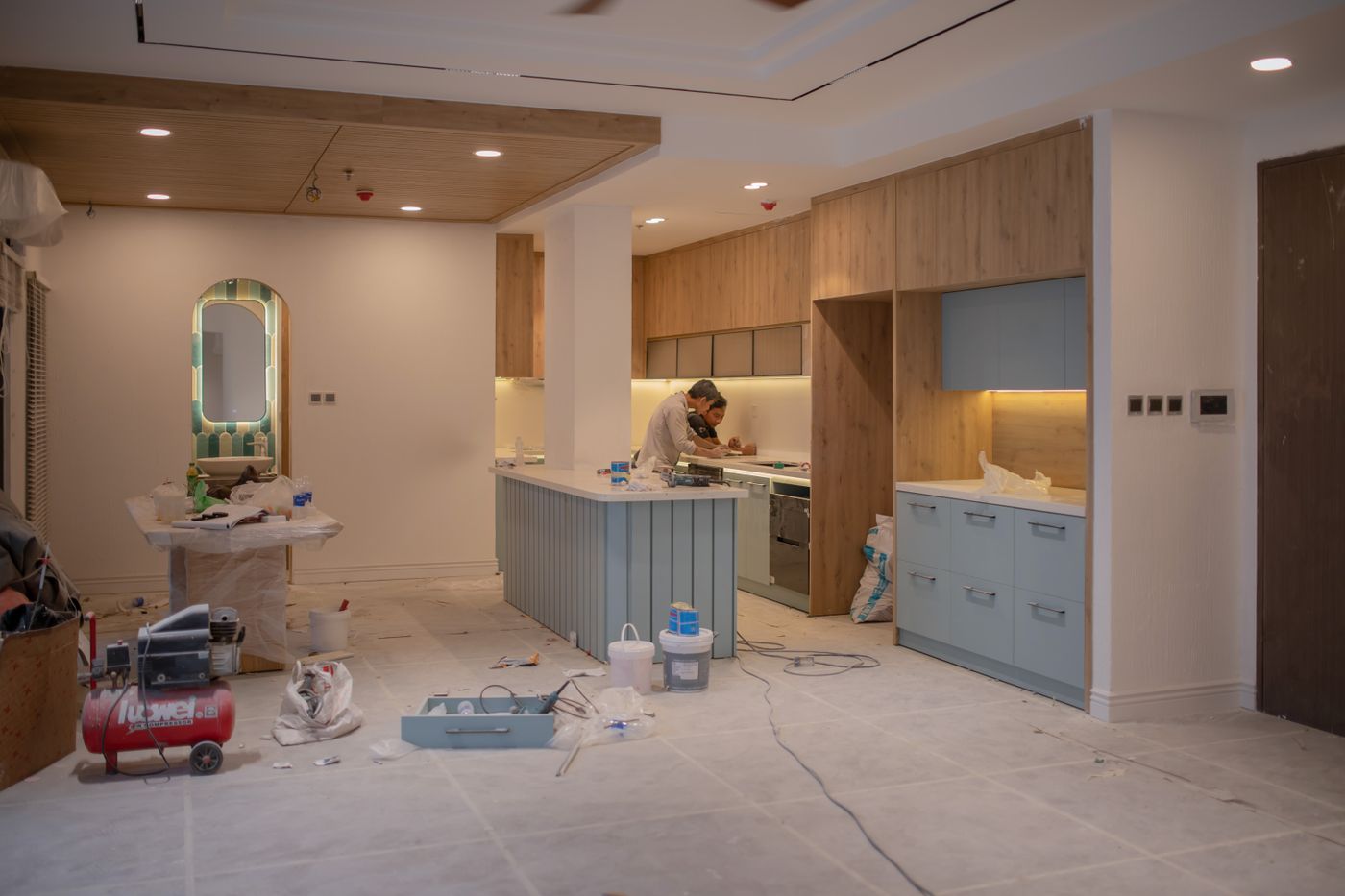
One common scenario is a home that needs a new roof but otherwise is in good shape. A roof replacement is structural because it involves the home's envelope and may require permits. In that case, a structural renovation loan is the right choice. But if the home simply needs new flooring and a kitchen counter, the nonstructural route is simpler and can close in a few weeks rather than months.
Veterans should also consider the contractor requirements. For nonstructural work, some lenders allow the veteran to hire a handyman or even do the work themselves, as long as the cost is reasonable and the work is completed within a set timeframe. This can save money, but it also means the veteran takes on more responsibility for managing the project. If the work is not completed on time, the loan may be affected, so it is important to have a realistic plan.
When weighing the two options, it helps to talk to a lender who understands both. A conversation with Carlos Scarpero, VA Mortgage Specialist, NMLS 1674385, can clarify which path fits your project and your financial situation. The lender will review your credit score, the property's eligibility, and the project scope to recommend the best approach.
Comparing the Two Approaches Side by Side
Here is a quick comparison of the two main VA renovation lender options for veterans:
- Project scope: Structural programs cover work that changes the home's structure or major systems. Nonstructural covers cosmetic upgrades and simple replacements.
- Contractor requirements: Structural work almost always requires a licensed contractor. Nonstructural may allow the veteran to act as their own contractor or hire a handyman.
- Underwriting process: Structural loans involve more documentation, including bids, permits, and an appraisal of the after-renovation value. Nonstructural loans are faster and require less paperwork.
- Credit and overlay considerations: Structural loans may have stricter lender overlays, such as a higher minimum credit score or lower debt-to-income ratio. Nonstructural loans are often more accessible for veterans with moderate credit.
- Timeline: Structural renovations take longer from application to funding because of the additional steps. Nonstructural can close in as little as a few weeks.
Both options can be a good fit, depending on what you need. The key is to be realistic about the work required and the time you have to complete it.
Making Your Decision
Start by listing the improvements you want to make and categorize them as structural or nonstructural. If any of the work involves load-bearing walls, the roof, the foundation, or major system replacements, you are looking at a structural renovation. If everything is cosmetic or involves simple swaps, a nonstructural loan will work.

Next, check with your lender about their specific overlay requirements. Some lenders have more flexible guidelines for nonstructural work, while others may require a higher credit score for any renovation loan. Understanding the lender's program guidelines early will save you time and help you choose the right path.
Finally, consider the property's value after the work is done. If the structural improvements will significantly increase the home's value, the loan may be easier to justify. If the improvements are mostly cosmetic, the value increase may be smaller, but the loan is still a good way to make the home more comfortable and functional.
Choosing between structural and nonstructural VA renovation lender options is about matching the scope of work to the right financing tool. With a clear project plan and the right lender, veterans can successfully renovate their homes using the VA loan benefit they have earned.